
Enzymes: The primary ingredient in the fermentation process.
Fermentation is the process of converting sugar into alcohol and carbon dioxide with the involvement of microorganisms such as yeast. However, to ensure an optimal fermentation process and achieve the desired outcome, specific enzymes are required. Enzymes, also known as catalysts of protein origin, are formed and operate in all living organisms. Enzymes lower the activation energy required for chemical reactions, guiding them through intermediate steps that require significantly less energy. Enzymes accelerate the rate of a reaction without being consumed or becoming part of the final reaction products. They are classified into the following categories: oxidoreductases, transferases, hydrolases, lipases, isomerases, and ligases.
The role of enzymes in alcohol production:
- Alpha-amylase: This enzyme is used to hydrolyze starch and complex carbohydrates into simpler sugars such as maltose and glucose. This process allows yeast to efficiently convert sugar into alcohol.
- Glucoamylase: Glucoamylase is an enzyme that further breaks down maltose into glucose. This enhances the efficiency of the fermentation process as glucose is the primary fuel for yeast.
- Proteases: Enzymes of this type help break down proteins in raw materials, such as grains or potatoes, into simpler amino acids, facilitating yeast’s access to sugars.
- Phosphatases and lipases: These enzymes contribute to the breakdown of phospholipids and triglycerides in raw materials, improving yeast utilization and increasing alcohol yield.
Production of enzyme preparations:
Enzyme preparations used in the alcohol industry are typically obtained through the cultivation of microorganisms, such as bacteria or yeast, under specific conditions. Afterward, they are separated, purified, and concentrated to create enzyme preparations with high activity.
The main stages of the enzyme preparation production process:
- Selection of microorganisms or enzyme sources: The first step in producing enzyme preparations is selecting the optimal microorganisms or sources of enzymes. These can be bacteria, fungi, or plants that produce the necessary enzymes. It is important to consider their growth rate and productivity.
- Microorganism cultivation: After selecting microorganisms, they are cultivated in controlled conditions, such as bioreactors. These conditions provide an optimal environment for microorganism growth, including nutrients, temperature, pH, and oxygen.
- Fermentation: Following microorganism cultivation, fermentation is carried out, during which microorganisms produce enzymes. This process involves maintaining a controlled reaction environment to maximize the use of microorganisms for enzyme production.
- Purification and concentration of enzyme preparations: After fermentation, enzyme preparations undergo purification and concentration. This process involves removing unwanted impurities such as proteins, lipids, and nucleic acids, and concentrating the enzymes at high levels.
- Stabilization and formulation of enzyme preparations: To preserve enzyme activity and ensure ease of use, stabilization and formulation of enzyme preparations are carried out. This may include the addition of stabilizing agents such as glycerol or salts, as well as packaging according to consumer needs.
- Quality control: Quality control is conducted at every stage of enzyme preparation production to ensure product safety and effectiveness. This includes physical, chemical, and biological analyses to determine purity, activity, and stability of the enzyme preparations.
- Packaging and storage: The final step involves packaging and storing enzyme preparations in compliance with safety and convenience requirements. Storage typically occurs at low temperatures or through the use of special preservatives to maximize shelf life.
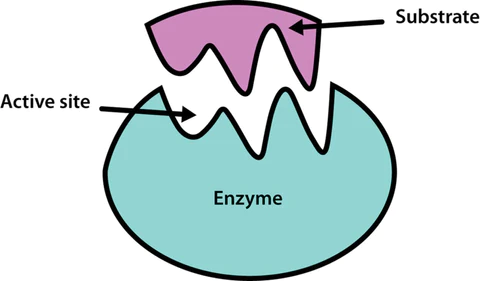
Algorithm of Substrate-Enzyme Interaction
Advantages of Using Enzyme Preparations
The use of enzyme preparations in the alcohol industry offers several significant advantages:
- Increased efficiency: Enzymes enhance reaction rates and result in higher alcohol yields, making the production process more productive.
- Reduced costs: Using enzymes helps reduce the amount of raw materials and energy required for alcohol production.
- Improved product quality: Enzymes assist in achieving purer and more flavorful alcohol by reducing the presence of unwanted compounds in the product.
