Evaporation of Molasses Stillage

Evaporation of molasses stillage is one of the most effective methods for utilising by-products of alcohol production. At most distilleries processing molasses, stillage is discharged onto filtration fields. Given its significant volume, approximately 12 m³ per 100 dal of conventional raw alcohol, the use of large areas of fertile land becomes impractical, while the decomposition products of organic matter contribute to environmental pollution.

One of the existing methods for utilising molasses stillage is evaporation. The chemical composition of the concentrated post-distillation stillage is presented in Table 1.
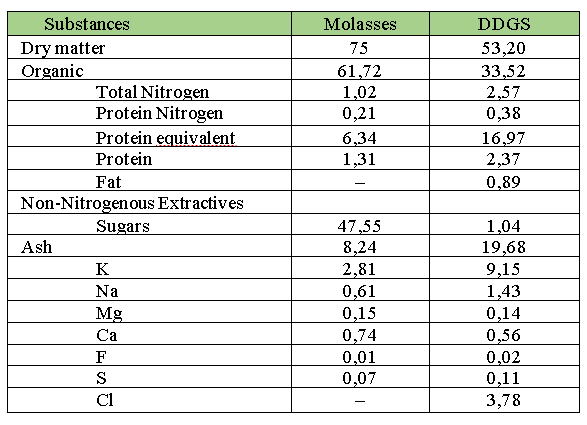
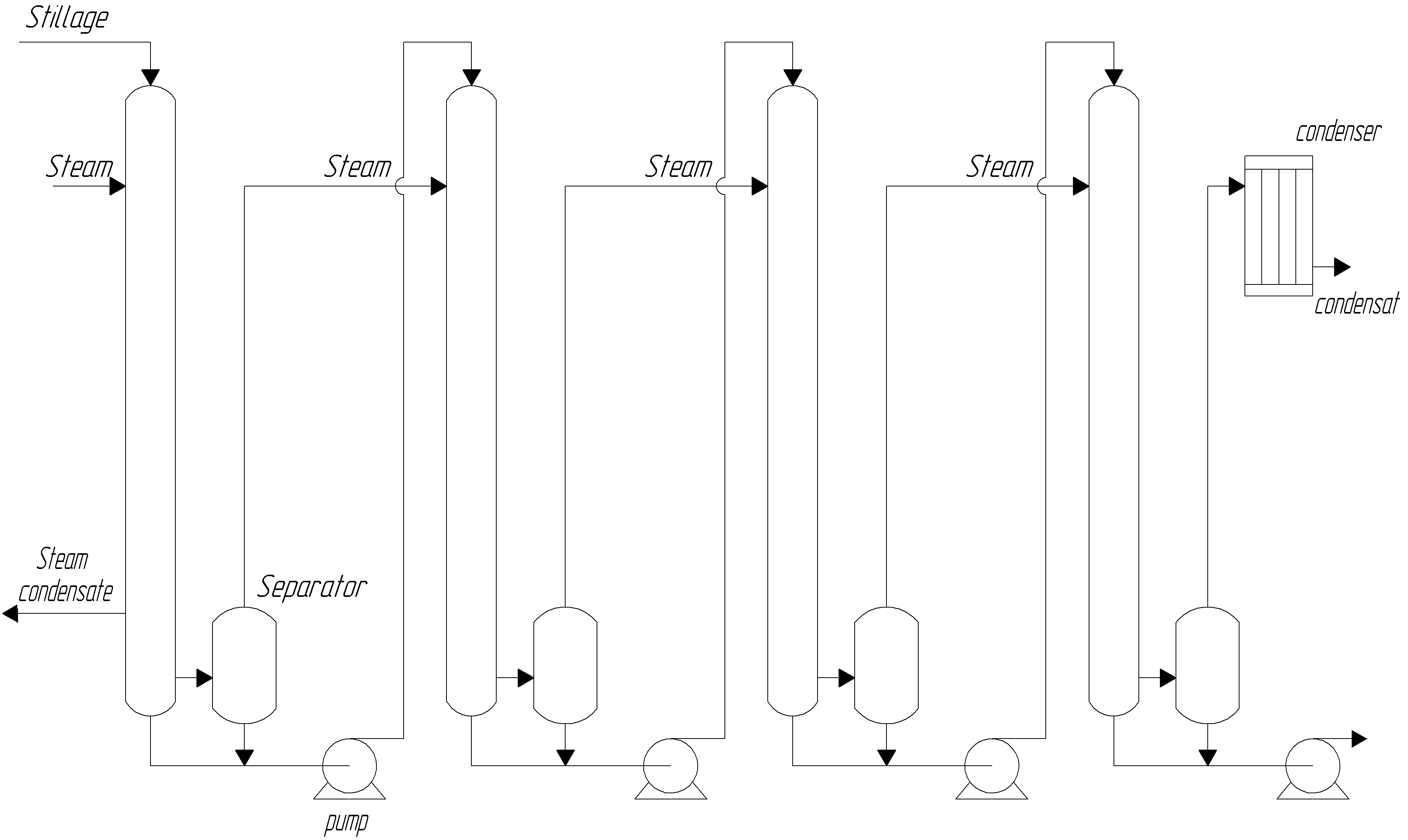
Table 1 – Comparative Chemical Composition of Molasses and Concentrated Post-Distillation Stillage

Organic acids, glycerol, and other compounds that are present in concentrated molasses stillage in small quantities are of no practical significance. The colouring substances in stillage, which have surface active properties, enable its use as a thinning agent and plasticiser in cement and concrete production. Nitrogen containing substances, colloids, and potassium salts determine the suitability of concentrated post yeast stillage as a fertiliser, particularly when used in combination with superphosphate. Concentrated stillage can be transported over considerable distances, up to 2,000 km. Various designs of evaporation stations and evaporators have been developed for the concentration of molasses stillage.

Equipment for Evaporation of Molasses Stillage

Molasses stillage is concentrated using 3 to 4-effect evaporators with multiple steam utilisation. The stillage passes successively through several evaporators or effects. Live steam is supplied only to the first effect. Each subsequent effect is heated by the secondary vapour generated in the preceding effect.

The temperature in each subsequent effect is reduced by lowering the pressure at which the stillage boils.

The secondary vapour from the last effect is directed to a barometric condenser, while non condensable gases are removed by a vacuum pump, which creates a vacuum of up to 84 kPa.

The maximum temperature during stillage evaporation should not exceed 140–142 °C; otherwise, sugars and amino acids undergo decomposition and caramelisation. High temperatures also cause the degradation of vitamins. As a result, the biological value of the concentrated stillage decreases.

RELIABLE
PROFESSIONAL
EFFECTIVE
We combine technical expertise, proven solutions and a comprehensive approach to make every project efficient, reliable and economically justified.
Have a project? Let's start. Questionnaire
044 209 20 06
Mon-Fri: 9am — 6pm
2A Henerala Shapovala st., Kyiv