
The features of grain raw material grinding
The stage of preparing grain mash is one of the key processes in alcohol production. The preparation of starch-containing raw materials for fermentation into ethanol consists of the following technological stages: raw material grinding, mixing the mash with water (preparation of the mash), preheating the mash, water-thermal treatment of the raw material, and saccharification of the boiled mass.
The mechanical properties of the grain largely depend on its moisture content. Dry grain is brittle, while wet grain is more plastic. This is due to changes in the colloidal properties of starch and proteins. The specific energy content of the grain increases with increasing moisture content. These properties of mechanical grain breakdown are taken into account when processing it into alcohol and choosing grinding equipment. As a result of mechanical-chemical breakdown, the properties of high-molecular substances change, molecular weight decreases, solubility changes, chemical reactions of all substances and their components accelerate, and biochemical activity increases.
Mechanical dispersion is accompanied by a change in the size and shape of particles. Increasing the surface area of ground material particles by a hundred times during mechanical dispersion accelerates the speed of technological processes. For example, highly dispersed grain mashes do not require pressure cooking, increasing the utilization coefficient of raw material components. When using such grinding mechanisms, the degree of grinding is characterized by the heterogeneity of particle size, with 60 to 90% falling within the range of 0.25 to 1 mm. Fine particles undergo excessive thermal treatment, leading to a significant amount of decomposition products of oxymethylfurfural sugars and participation in melanoidin formation reactions. Large particle starch is not fully dissolved, leading to increased losses of fermentable substances. Some plants use a two-stage grain grinding method to achieve a finer dispersion and uniform grinding. In the first stage, the grain is ground in a hammer mill, and the resulting ground material is transported pneumatically or through a system of mechanical conveyors to a sieve distributor to obtain two fractions of grinding with different particle sizes. In the second stage, the fraction of coarse grinding is subjected to further grinding on roller mills.
The use of a two-stage grain grinding method reduces the temperature and boiling time of the raw material and reduces losses of fermentable substances. However, using this method complicates the technological scheme, requires additional equipment and production areas, and increases the energy consumption for grain grinding and transport of the ground material. The disruption of the cellular structure of the raw material is achieved by grinding it in crushers and special machines followed by mass thermal treatment with water. Highly dispersed grain mashes obtained using disintegrators, ball mills, corundum, jet, and other machines not only have a disrupted grain structure, cells, and starch grains but also mechanically disrupted polymers (starch, proteins, etc.), allowing them to be thermally treated with water at temperatures not exceeding 100°C. The use of highly dispersed grain mashes reduces losses of fermentable substances during thermofermentative treatment and decreases the consumption of thermal energy.
Promising for the alcohol industry is the development of advanced alcohol production technologies using disintegrators, vibratory devices, electromagnetic and other grinding devices to more efficiently use raw materials and saccharifying materials. Grain crops are ground by mechanical means using hammer mills of various designs or roller mills. The most common hammer mills are types DM, DDM, A1-DDM, or roller mills of type ZM. Disintegrators and dismembrators belong to impact-type grinders. They are used to obtain highly dispersed mashes. An important property of disintegrants is that the processed material undergoes mechanical activation. The activation of substances under the influence of high mechanical energy is a new progressive way to improve technological processes. This phenomenon is called mechanical-chemical activation (MCA) of raw materials and intermediate products in alcohol production.

Hammer mill of DDM type
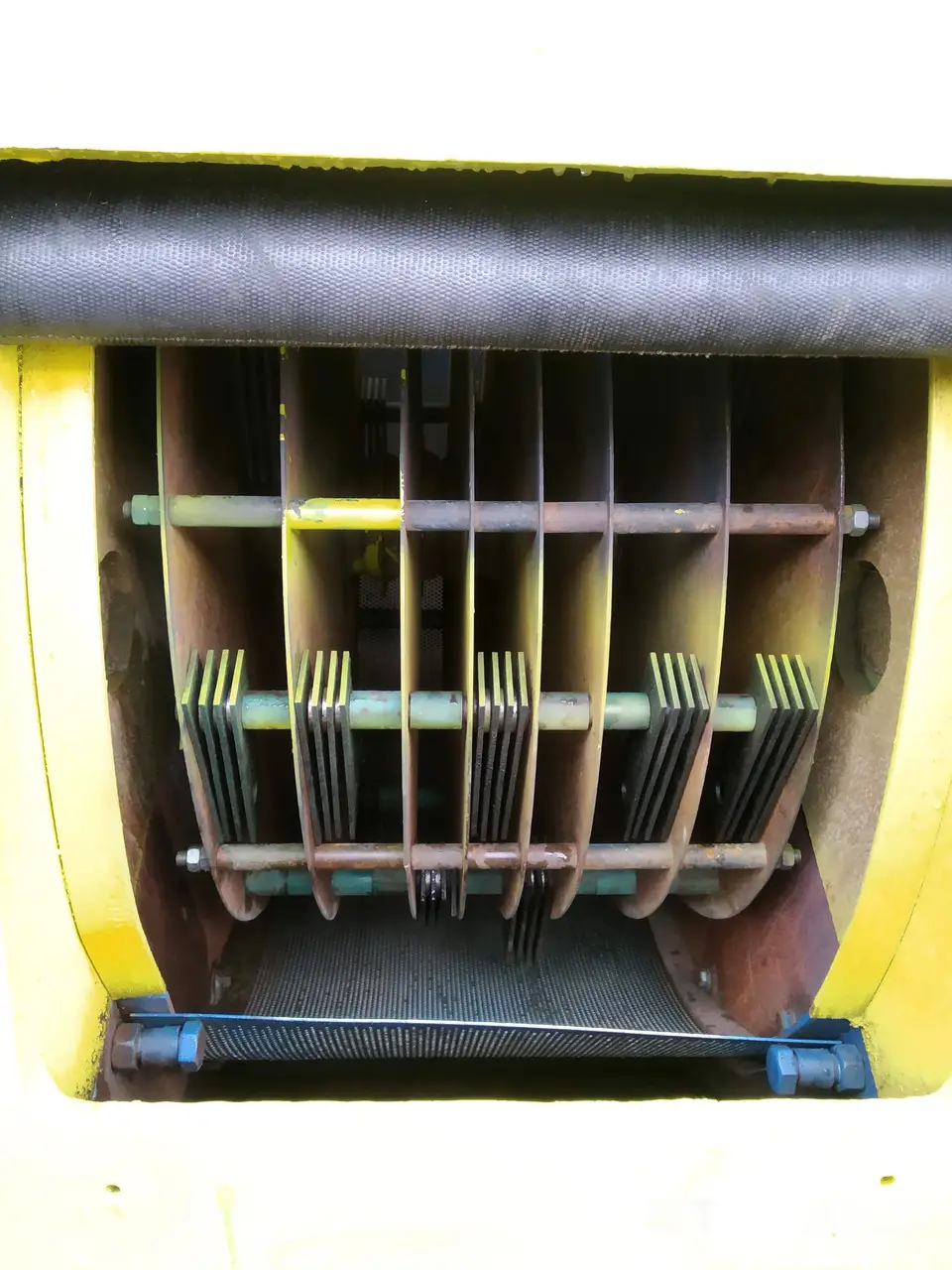
Drum of a hammer mill
In the preparation of grain mixtures with a high degree of grain grinding and the use of hot water, flour lumps can form. This most often occurs when preparing a mash with a high dry matter content with a hydraulic module of 1: 2.5…1: 3.0. The formation of lumps deteriorates the conditions for the thermofermentative treatment of raw materials, increases the loss of starch. During the stage of enzymatic hydrolysis, the access of enzymes to the biopolymers of raw materials is hindered, fermentation slows down, and the acidity of the mash increases.
As mentioned above, one of the main indicators of the initial stage of the technology is the degree of grain grinding. The finer and more uniform the grind, the lower the costs for its further processing. In particular, the degree of grain grinding affects such technology parameters as the “grain: water” ratio (the so-called hydro-modulus) when preparing grain mixtures, the temperature, and the duration of thermofermentative treatment.
According to current regulations, the quality of grain grinding is determined by the degree of separation of the grind on sieves with a hole diameter of 1.0 mm, without taking into account the uniformity of the grind, which is a crucial factor for its water-thermal treatment. The fractional composition of grinds differs in terms of dispersity. Each fraction contains particles that differ in size by 10…100 times. Each fraction of the grind requires its own water-thermal regime to reduce losses. In practice, this is challenging to implement. Due to the harsh regime (130…140°C), caramelization of sugars formed from fine-dispersed fractions occurs. At a gentle regime (up to 100°C), incomplete dissolution of starch in coarse-dispersed fractions takes place.
To reduce technological losses and energy consumption, it is necessary to obtain a grind with a high degree of dispersity and uniformity. This is especially important for reducing the hydro-modulus of the mash, which determines the volume of the product flow, the concentration of semi-finished products, including the alcohol content in the mature mash, and technological losses at both stages and in the overall technology.
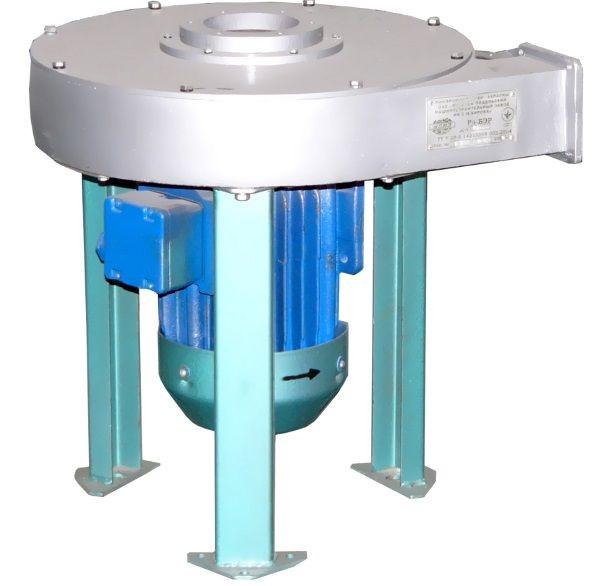
Grain dismembrator
Reducing the hydro-modulus of the mash allows for simultaneously reducing the output of stillage and cutting down on technological costs for heating, cooling, transferring semi-finished products, and distilling mature mash. However, when reducing the hydro-modulus of the mash, due to increased concentrations and starch gelatinization, there is an increase in its viscosity, leading to decreased flowability, especially at temperatures of 70…80°C. In fact, this is a limiting factor in implementing the grain processing technology under conditions of elevated concentrations. To reduce the viscosity of highly dispersed mashes with increased dry matter concentrations, it is necessary to use thinning enzyme preparations.
High fluidity of semi-finished products is important for reducing the load on mixing and pumping devices, as well as for the efficient execution of heating, cooling processes, preventing sediment formation, and so on.
